Rabbit, Parrot or Tortoise… When Is It Time to Visit the Veterinarian?
A rabbit happily hopping around the house, a parrot greeting you with a cheerful call, or a tortoise slowly exploring its terrarium – exotic pets are becoming an increasingly common part of our homes.
When we talk about exotic pets, we most often mean small mammals, birds and reptiles, such as rabbits, guinea pigs, hamsters, parrots, tortoises and many other species.
Although they differ in appearance and behaviour, each of these animals has its own specific needs. Proper nutrition, suitable housing conditions and veterinary care should therefore be tailored to the individual needs of each species.
With exotic pets, it is not always easy to determine whether a change is temporary or a sign that something may be wrong. That is why it is important to know your pet well and understand what is normal for them.
They Are Not Small Dogs or Cats – What Makes Exotic Pets Different?
Exotic animals are very different from dogs and cats. 😊 Their anatomy, physiology, diet and behaviour can vary significantly, which means the health problems they experience can also be quite different.
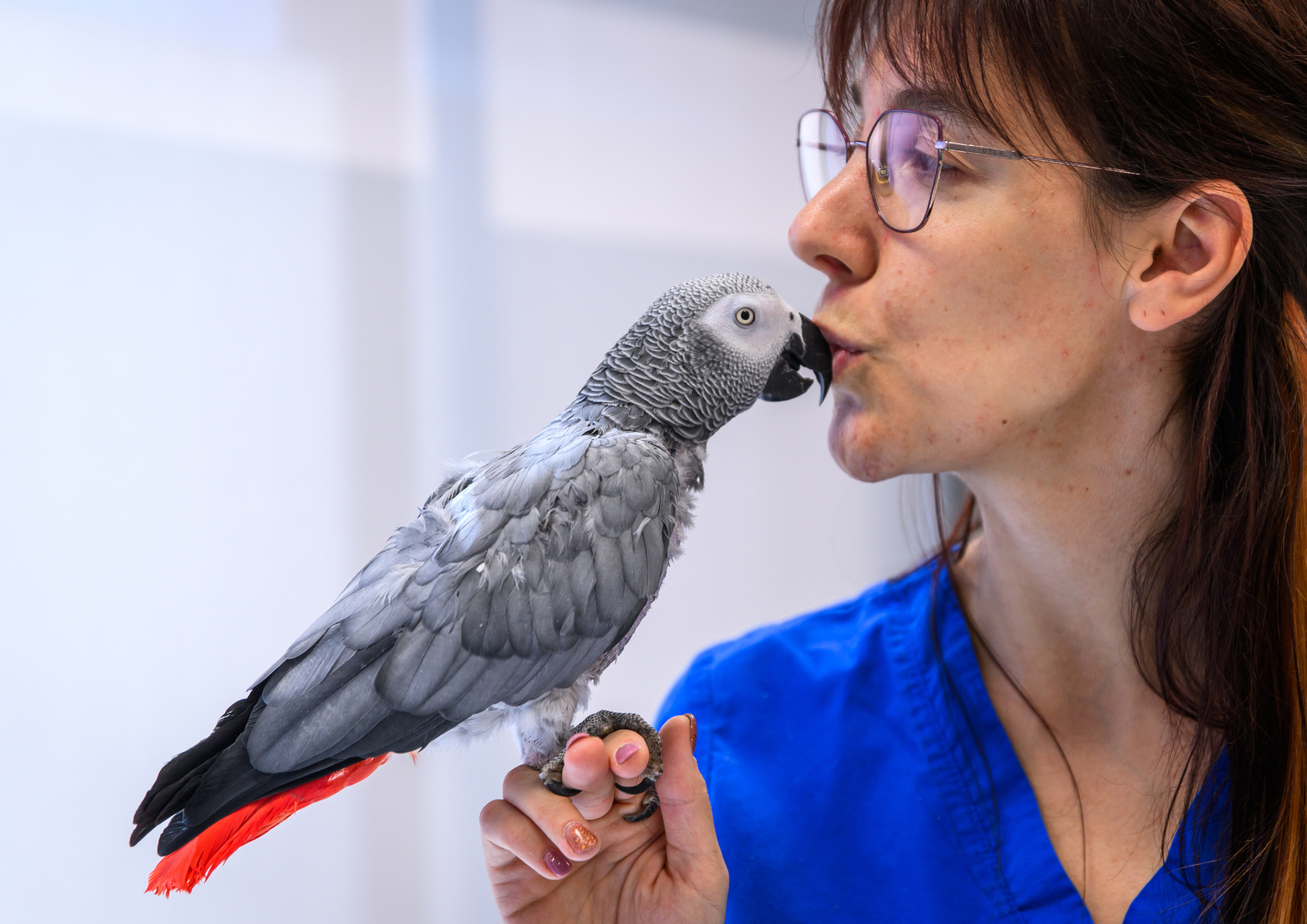
For example, in rabbits it is important to monitor dental and digestive health, while changes in behaviour, appetite or feather condition can often be important warning signs in birds. In reptiles, health is strongly influenced by environmental factors such as temperature, humidity and appropriate lighting.
That is why, during an examination, we do not focus only on an obvious medical issue. It is also important for us to know what your pet eats, how it is housed, how active it is and whether anything has changed recently.
Even When Everything Seems Fine, Check-Ups Matter
“My pet seems completely healthy – why should I bring them in for a check-up?”
This is a question we hear often, and it is completely understandable.
However, preventive examinations are important even when everything appears to be fine.
How often we recommend a check-up depends on the species, age and overall health of the animal.
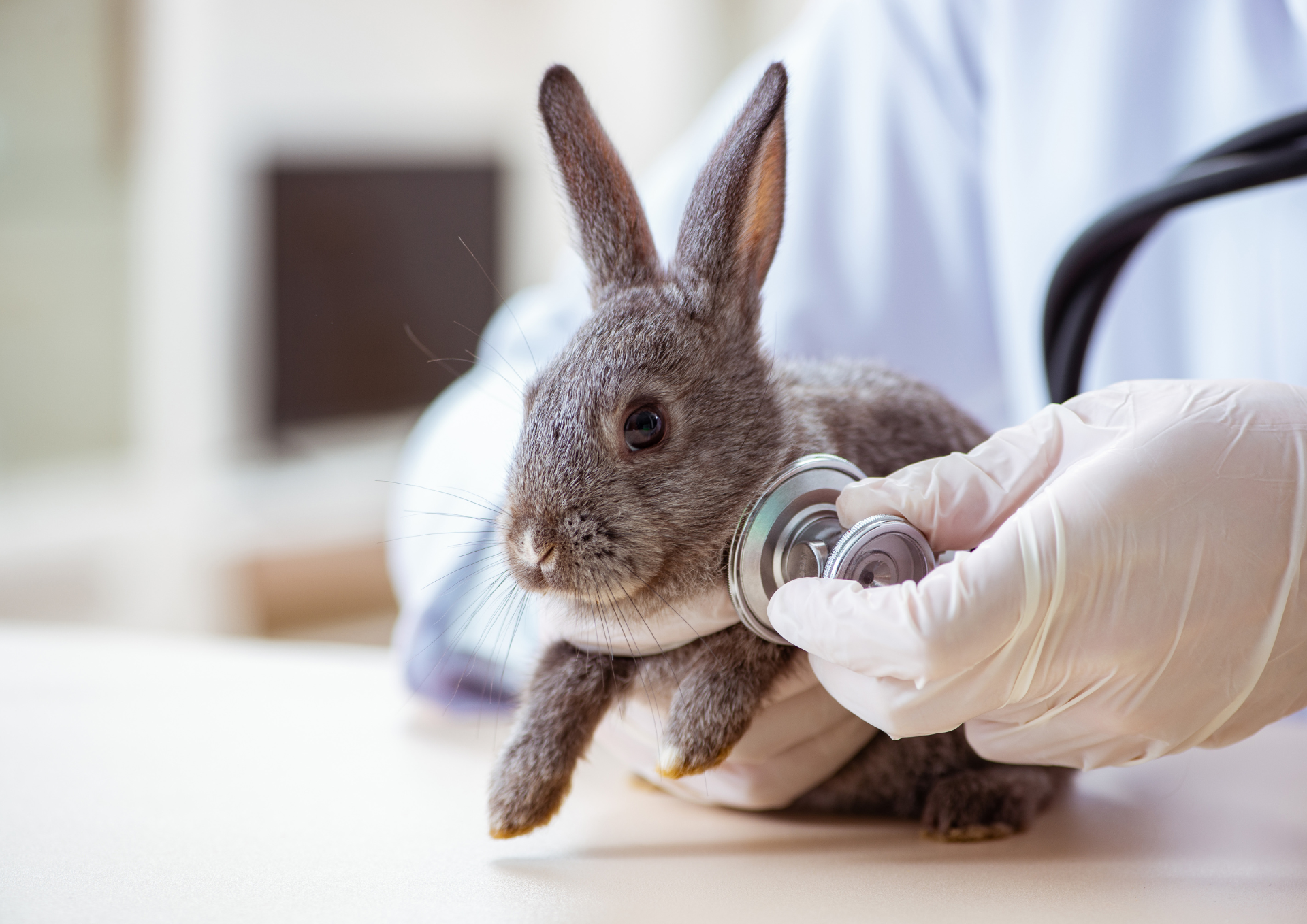
During the examination, we assess your pet’s general health, body weight and condition. Depending on the species, we may also examine the teeth, skin, fur or feathers, eyes, ears, breathing and other important indicators of health.
Many animals instinctively hide signs of illness. As a result, an owner may feel that everything is normal, while a veterinarian may notice subtle changes that deserve further attention.
When Is It Time to Visit the Veterinarian?
If you know your pet well, you will often be the first to notice when something is not quite right.
In rabbits, do not ignore if your pet:
- refuses food or eats less than usual
- produces less droppings or stops producing them altogether
- has difficulty chewing, drools or selects only certain foods
- becomes unusually quiet or starts hiding
- develops discharge from the eyes or nose
- shows changes in breathing
In birds, pay attention if they:
- sleep more or are less active than usual
- spend long periods sitting with fluffed-up feathers
- develop discharge from the eyes or nostrils
- stop grooming themselves
- change their voice or vocalisation patterns
- eat less or show changes in droppings
- have difficulty breathing
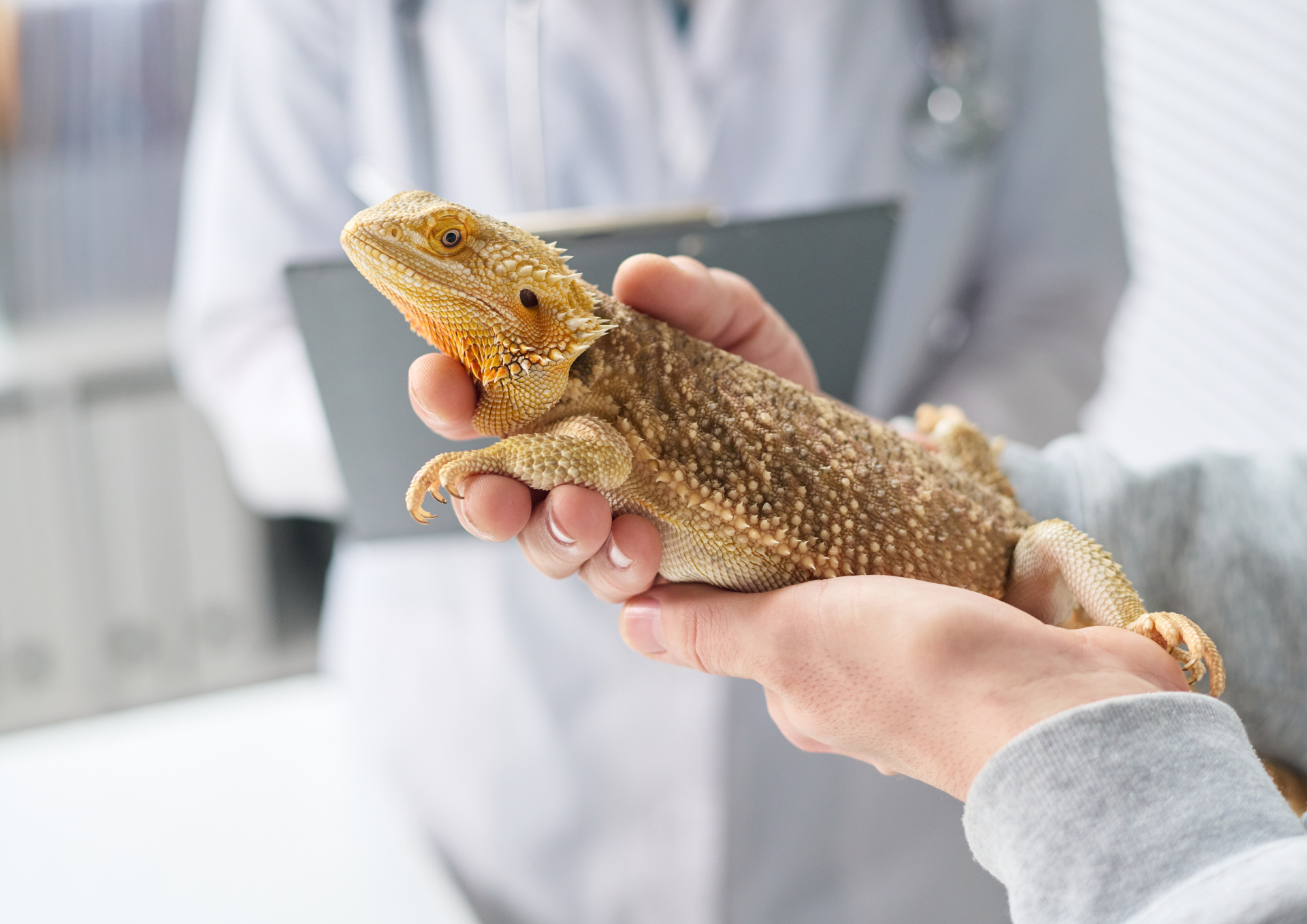
In reptiles, it is important to seek veterinary advice if you notice:
- a prolonged or recurring loss of appetite
- unusual lethargy
- discharge from the eyes or nose
- difficulty breathing
- shedding problems
- changes affecting the skin or shell
- swelling or other visible abnormalities
Of course, not every change necessarily indicates a serious health problem.
What Information Is Helpful During an Examination?
When you bring your exotic pet for an examination, do not be surprised if we ask a lot of questions. 😁 Your pet’s lifestyle is often an important part of assessing their health.
It is helpful to provide information about diet, housing conditions and any changes you have noticed.
If you have observed unusual behaviour at home, it can also be useful to record a short video. Pets often behave differently in a clinical setting, and a video can sometimes provide valuable additional information.
Small Changes Can Tell Us a Lot
A rabbit, parrot, guinea pig or tortoise may not require exactly the same type of care as a dog or cat, but their needs are no less important.
From proper nutrition and appropriate housing conditions to preventive examinations and recognising behavioural changes, every aspect plays a role in maintaining their health and quality of life.
Take the time to get to know your pet, learn what is normal for them and do not hesitate to contact your veterinarian if you notice something unusual.
Frequently Asked Questions (FAQ)
What animals are considered exotic pets?
Exotic pets generally include animals other than dogs and cats, such as rabbits, guinea pigs, hamsters, birds, tortoises, lizards and other reptiles. Their needs vary depending on the species, which is why proper nutrition, housing and veterinary care are so important.
How often should an exotic pet visit the veterinarian?
The frequency of preventive examinations depends on the species, age and overall health of the animal. Even if your pet appears healthy, regular check-ups can help identify potential health issues at an early stage. Your veterinarian will recommend a schedule that best suits your pet.
How can I tell if my exotic pet is sick?
Changes in behaviour are often among the first signs that something may be wrong. Watch for reduced appetite, food refusal, hiding, decreased activity, changes in droppings or urination, breathing difficulties and changes affecting the skin, feathers, fur or shell. If you notice anything unusual, consult your veterinarian.
Should I take my exotic pet to the veterinarian even if it seems healthy?
Yes. Preventive examinations are important because many exotic pets can hide signs of illness for a long time. Regular check-ups help monitor their overall health and allow potential problems to be detected early.
A veterinary visit is also a good opportunity to discuss whether your pet’s diet and housing conditions are appropriate for its species. Many health problems in birds, reptiles and other exotic animals are linked to improper nutrition or unsuitable husbandry, and professional advice can help prevent these issues.
How should I prepare my exotic pet for a veterinary examination?
Your pet should be transported safely in an appropriate carrier or enclosure suitable for its species. Before the appointment, it is helpful to gather information about diet, housing conditions and any changes you have noticed. For some species, such as reptiles, details about temperature, humidity and lighting may also be important.
– Tessa Rogošić, DMV
Vetti Split Veterinary hospital