


What to Expect During Your Pet’s Physical Examinations?
Pets cannot always tell us when something is wrong. Even when they have a healthy appetite, wag their tails happily and seem full of energy, there may be underlying health changes that we have yet to notice. That is why regular health check-ups are important, even when everything seems perfectly fine.
A routine health check-up gives us the opportunity to get a better understanding of your pet’s overall health, assess how their body is functioning and identify potential changes at an early stage.
But what does a pet health check-up actually involve? Does your pet need any special preparation, and is there a difference between examining a young pet and an older dog or cat?
Looking Beyond What Meets the Eye
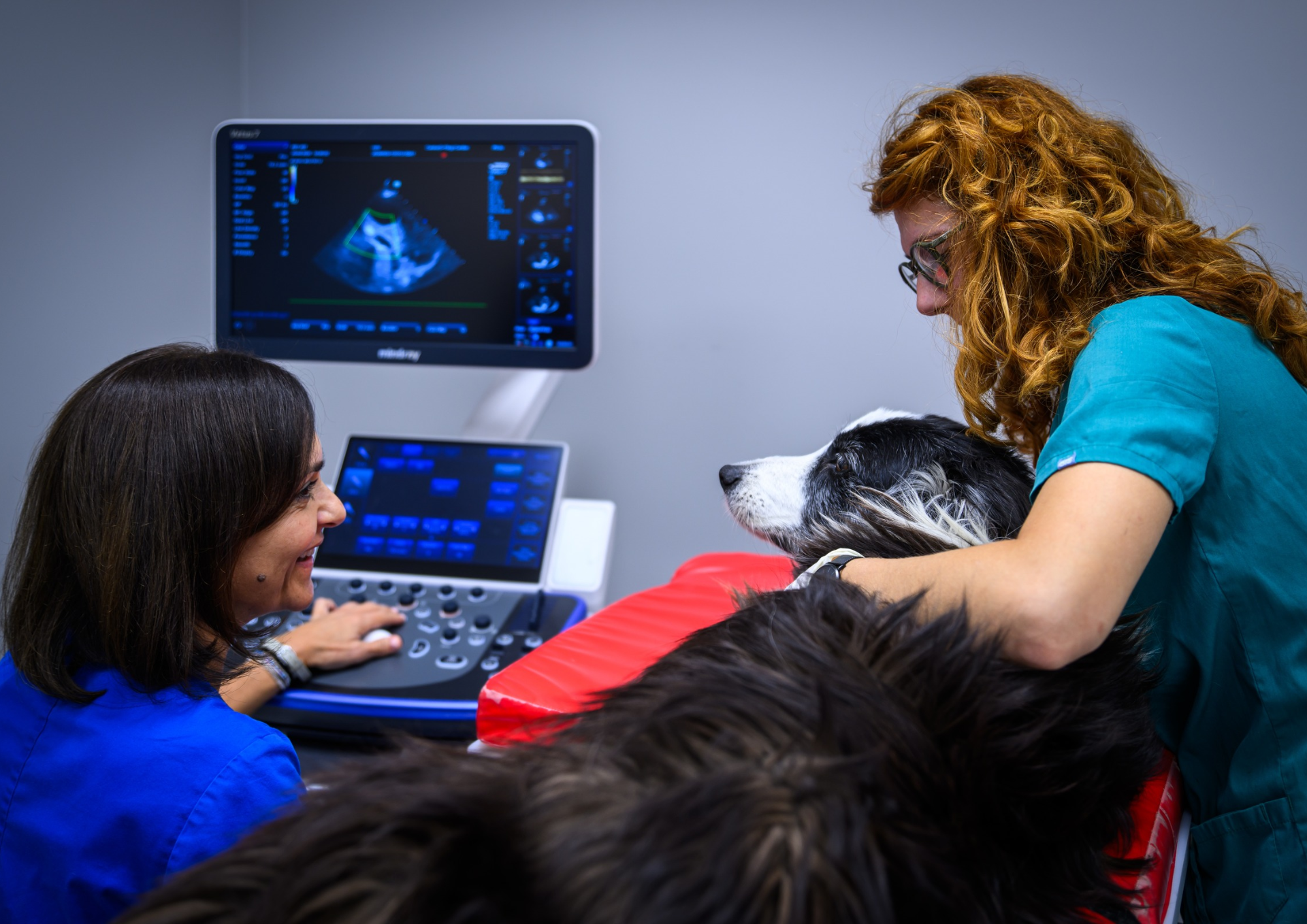
A routine health check-up involves much more than a quick conversation and a simple assessment of whether your pet seems healthy. It is a detailed evaluation of their overall health, starting with a clinical examination and, depending on the selected package, including various laboratory and diagnostic tests such as ultrasound and X-rays.
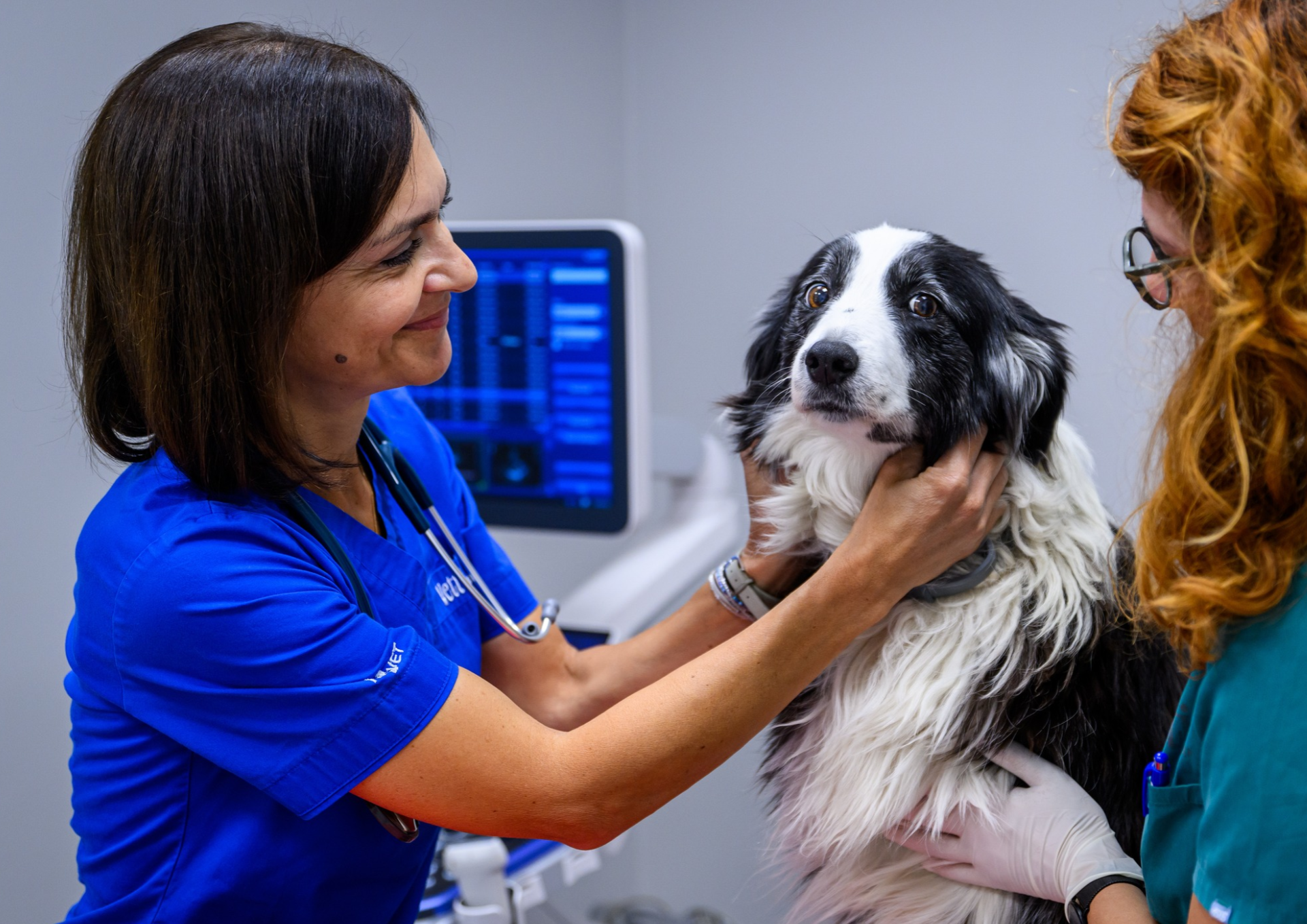
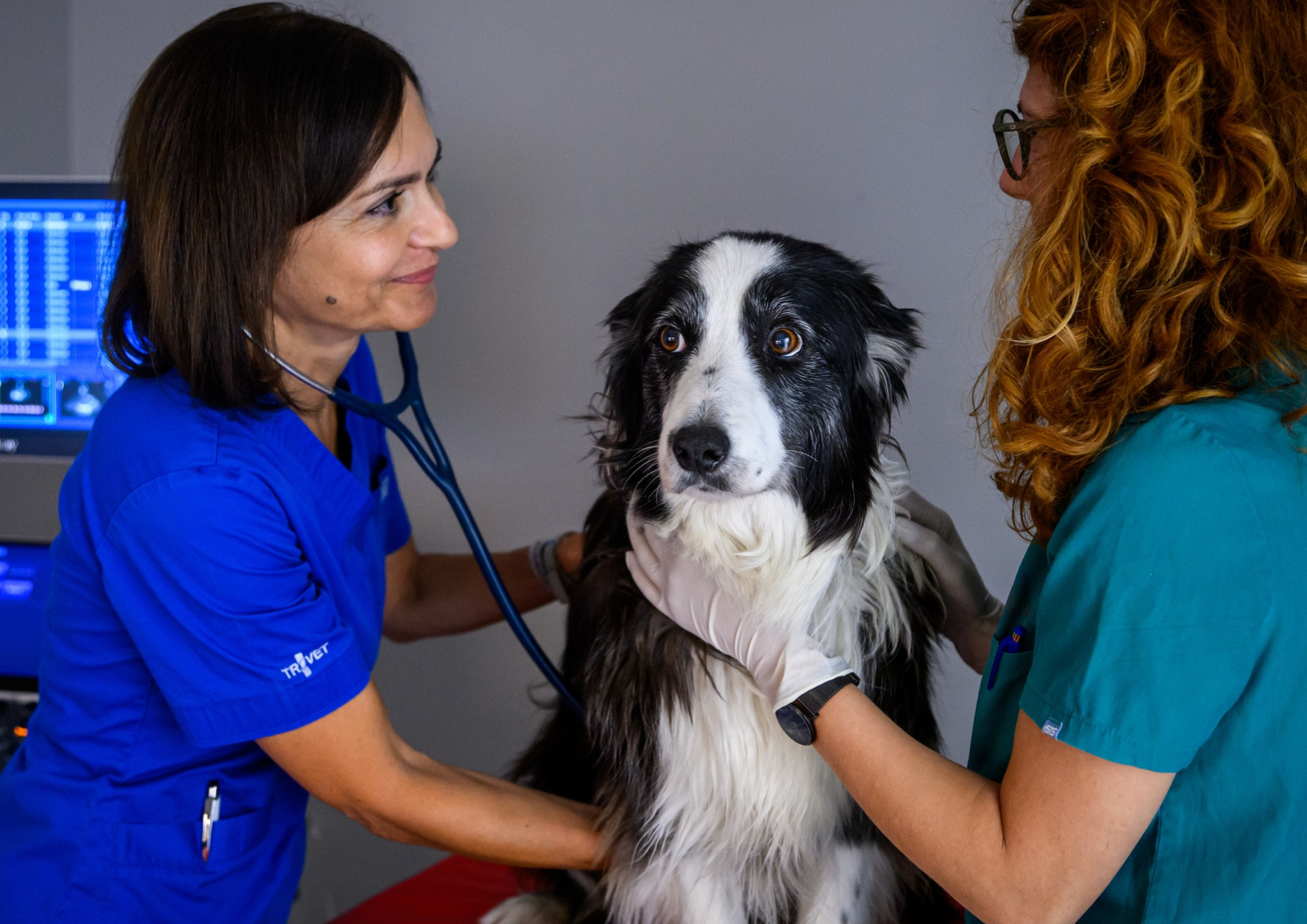
During the clinical examination, we assess your pet’s general condition, listen to their heart and lungs, examine their eyes, ears, teeth, skin and coat, and evaluate their body condition. Additional tests allow us to take a closer look and assess aspects of their health that cannot be evaluated through a clinical examination alone.
Together, these examinations provide a more complete picture of your pet’s health and help us identify changes that might otherwise go unnoticed.
Good Health on the Outside Does Not Always Tell the Whole Story
Perhaps your pet still enjoys running around on walks, happily eats their favourite food and never misses an opportunity for a cuddle. However, some diseases and health conditions do not immediately affect their behaviour or everyday habits.
Changes in kidney function, heart disease, hormonal and metabolic disorders, as well as certain tumours, can develop gradually. That is why there is no need to wait for the first symptoms to appear before checking that everything is as it should be.
Regular health check-ups allow us to monitor your pet’s health over time, compare test results and identify any abnormalities. When a change is detected early enough, we can take timely action and discuss the next steps.
Every Stage of Life Comes with Different Needs
Just like people, our pets go through different stages of life, each with its own health requirements. A puppy or kitten does not have the same needs as an adult pet, while older dogs and cats require special attention to age-related changes.
For younger pets, the focus is on monitoring their growth, development and overall health. During adulthood, regular assessments help us check how their body is functioning and keep track of any potential changes. For senior dogs and cats, particular attention is paid to organs and body systems that may show signs of ageing earlier.
At Vetti Split, we offer different health check-up packages for dogs and cats, tailored to their age. Our basic and comprehensive packages include different combinations of clinical examinations, laboratory tests and diagnostic procedures, helping us gain a better understanding of each pet’s individual health needs.
A Few Tips to Make Your Visit to the Vet Easier
A visit to the vet does not have to be stressful. With a little preparation, you can help make the experience as comfortable as possible for your pet.
Before your appointment, take a moment to think about whether you have noticed any recent changes in your pet’s behaviour, appetite, water intake, body weight or toileting habits. Perhaps they are sleeping more, getting tired more quickly or simply no longer enjoying activities they used to love. Even small details can provide us with valuable information.
It is also a good idea to bring along any previous medical records, a list of medications or supplements your pet is taking, as well as information about their usual diet. This helps us put all the relevant information together and compare it with previous test results.
What about food before the appointment? If your pet needs to fast before certain tests, we will let you know in advance. There is no need to withhold food or water on your own before the visit.
A Little Care Today Means More Happy Moments Together
After the health check-up, we will go through all the results with you in detail and answer any questions you may have. This way, you will have a clear understanding of your pet’s health, along with recommendations for any further care they may need.
A routine health check-up is not just about making sure everything is fine today. It helps us get to know your pet better, monitor changes as they grow older and stay one step ahead of potential health problems.
Because we want you to enjoy many more walks, trips, playtime, cuddles on the sofa and all those little everyday moments that mean so much. And taking care of your pet’s health is one of the best ways to make sure there are plenty more to come!
Frequently Asked Questions (FAQ)
How often should my pet have a health check-up?
The frequency of health check-ups depends on your pet’s age, health condition and individual needs. Your vet is the best person to advise you on how often your pet should be examined and recommend an appropriate schedule.
Does my pet need to fast before a health check-up?
This depends on the tests included in the selected package. If your pet needs to fast before the appointment, your vet will provide clear instructions in advance. Do not withhold water unless specifically advised to do so.
What is the difference between the basic and comprehensive packages?
The packages differ in the number and types of tests included. Their contents are tailored to your pet’s species and age, and your vet can help you choose the package that best suits their individual needs.
Is a health check-up necessary if my pet has no symptoms?
Absolutely! Some health changes are not easy to spot at home, especially in their early stages. Routine health check-ups can help detect potential problems before visible symptoms appear.
Are health check-ups particularly important for senior pets?
Yes. The risk of developing certain health conditions increases with age. Regular check-ups allow us to monitor age-related changes and take action when needed. That is why it is important to tailor your pet’s health examinations to their stage of life.
–Ivana Ćapeta, univ.mag.med.vet.
Veterinary hospital Vetti Split